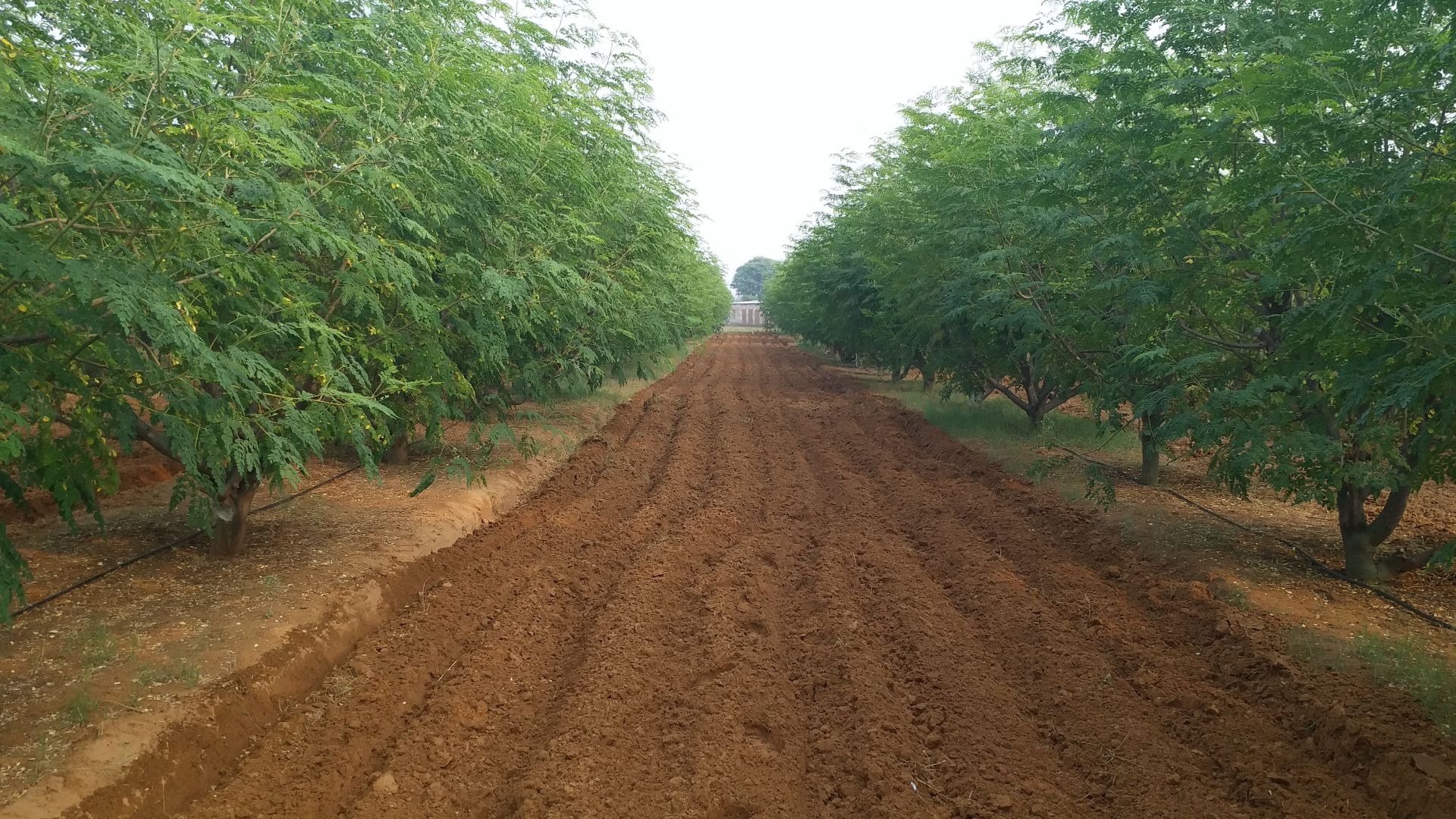
Environmental Impact
Quantifying the sustainability advantages of our moringa-based approach to fuelling vehicles, livestock, and humans compared to conventional alternatives.
GHG Reduction vs Fossil Diesel
Zero Food Crop Displacement
Whole-Plant Utilisation
Water Savings vs Palm Oil
Life Cycle Assessment
Life Cycle GHG Emissions
Moringa biodiesel achieves the lowest lifecycle greenhouse gas emissions among all fuel options analysed.
Environmental Advantages
Zero Deforestation
Grown exclusively on marginal land with no clearing of native vegetation required.
Low Water Usage
Moringa requires significantly less water than palm oil, canola, and soybean crops.
Nitrogen Fixing
Moringa trees fix atmospheric nitrogen, reducing fertiliser requirements and improving soil health.
Circular Economy
Press cake returned to the land as fertiliser closes the nutrient cycle.
Biodiversity Support
Moringa plantations support local biodiversity by providing habitat and food sources for pollinators.
Carbon Sequestration
Fast-growing moringa trees actively sequester carbon, contributing to net negative emissions.
Sustainability Comparison
How moringa biodiesel compares to competing biofuel feedstocks across key environmental metrics.
| Metric | Moringa | Palm Oil | Canola | Fossil Diesel |
|---|---|---|---|---|
| Food Crop Competition | None | Indirect | Direct | N/A |
| Deforestation Risk | None | Very High | Low | N/A |
| Water Requirements | Low | Moderate | High | N/A |
| GHG Reduction vs Diesel | 70%+ | 50-75%* | ~56% | Baseline |
| Land Use Change Impact | Minimal | Severe | Moderate | N/A |
| Waste Utilization | 100% | Partial | Partial | N/A |
*Palm oil savings often negated when deforestation/peatland conversion is factored in.

Risk Management
We proactively manage environmental risks including invasive species potential through sterile cultivar selection and contained growing zones.
Sterile cultivar selection and contained growing zones prevent uncontrolled spread.
Minimal irrigation needs and deep-rooted trees prevent groundwater depletion.
Nitrogen-fixing capability and organic fertiliser return maintain long-term soil health.